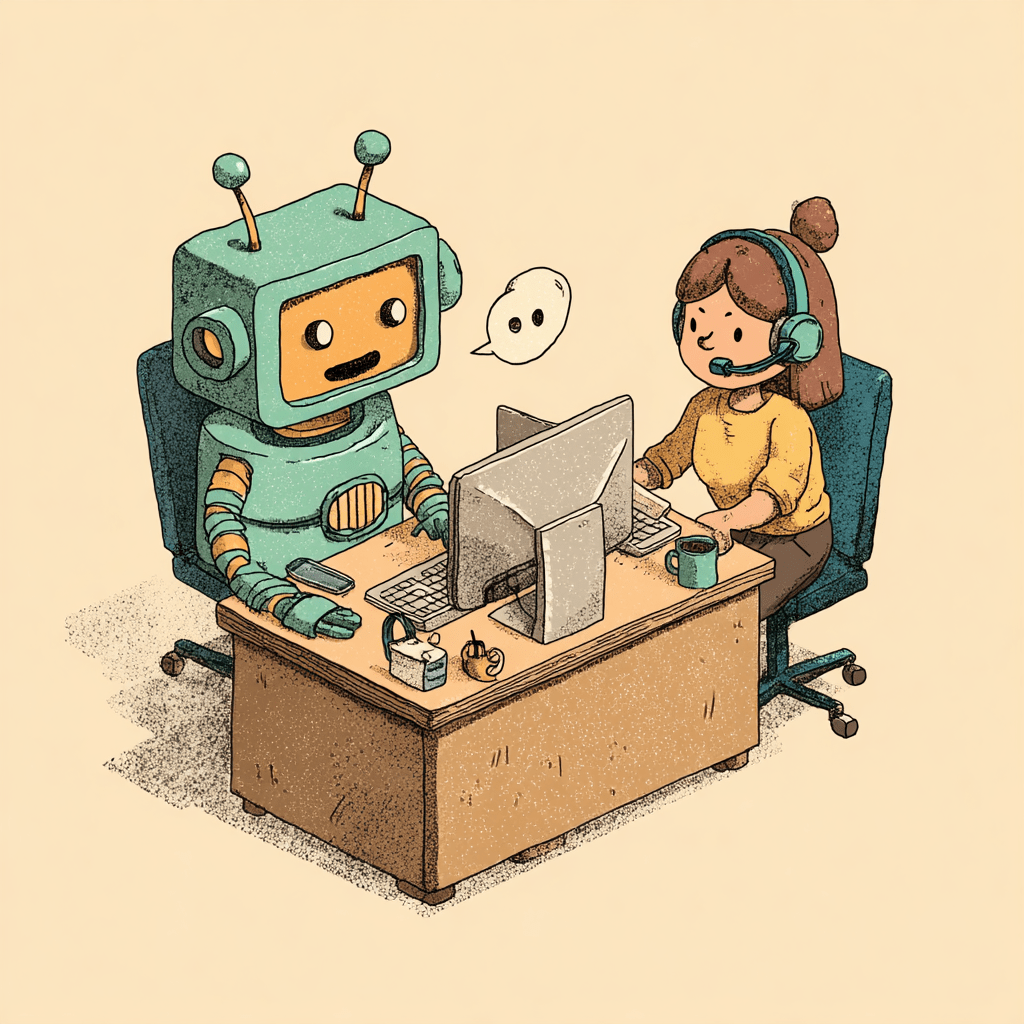
The Rise of Customer Service Automation
It’s no secret—automation is changing the game in customer service. More and more companies are adopting AI-powered chatbots to quickly tackle routine questions and support requests. These bots use smart tech like natural language processing and machine learning to understand what customers say, respond in real time, and escalate issues when things get tricky. With automation, businesses can answer more questions at once and cut down on wait times, making customer support more responsive than ever.
Why the push for automation? It comes down to efficiency, scalability, and keeping costs low. Chatbots don’t need breaks—they can work around the clock, handle spikes in demand without missing a beat, and reduce the need for a massive team of human agents. This means companies save money while giving customers help whenever they need it. As automated tools evolve, they’re freeing up human agents for the tricky stuff that really needs a personal touch.
References: IBM, Velaro, LeewayHertz
What Bots Do Best: The Advantages of Automated Service
Bots shine when it comes to repetitive, straightforward tasks. Think about those Frequently Asked Questions—”How do I reset my password?”, “What are your hours?”, “Where’s my order?” Instead of waiting on hold, customers can get these answers instantly, any time of day. That’s a big win for both sides: people get help faster, and businesses don’t have to keep as many staff on call during quiet times or busy surges.
Another big plus is how bots handle sheer volume. During peak times—Black Friday sales, product launches, you name it—bots can respond to thousands of people at once. By resolving simple issues quickly, they free up human reps to focus on problems that really need a second look. The end result is shorter waits, happier customers, and less stress on your support team, even as your business grows.
References: Answer-4u, HelpScout
When Automation Falls Short: The Limits of Bots
Of course, bots aren’t magic—they can’t do everything. When customer questions get complicated or emotions start running high, automated responses often fall flat. For example, a chatbot might not understand the subtle frustration in a customer’s voice, or might make mistakes when handling a detailed complaint or a unique billing issue. This can just make upset customers feel even more unheard.
That’s where real people make all the difference. Human agents bring empathy, judgment, and the ability to untangle problems that don’t fit a script. Say a customer is genuinely upset about a product or facing a personal situation—a bot’s generic answer won’t cut it. Similarly, anything that involves sensitive information, regulatory concerns, or complex troubleshooting really needs the human touch. Businesses need to know when to hand things over to humans, or risk losing customer trust.
Human Handoff: How and When to Escalate
The magic of customer service automation isn’t just what bots can do—it’s knowing when they should step aside and let a human take over. The best automated systems watch for clues: repeated requests, signs of frustration in a message, or when someone says “I want to speak to a representative.” Advanced tools use sentiment analysis and natural language processing to pick up on mood and urgency.
Some platforms look at the whole conversation—how long it’s going, how many times a customer repeats themselves, or specific words that signal a problem. This helps avoid that dreaded feeling of being stuck in an endless loop of unhelpful bot replies. And when it’s time to escalate, smooth systems pass all the relevant chat history to the human agent, so customers don’t have to start over from scratch. This seamless handoff keeps things efficient and customers happy.
Bots and Humans: Building a Harmonious Support Team
The smartest companies blend the strengths of both bots and humans. Bots handle the easy stuff—think checking an order status or pointing someone to the right FAQ. Human agents step in for the tough jobs, like handling complaints, troubleshooting unusual issues, or guiding customers through emotionally charged situations.
Many big businesses, especially in industries like finance and retail, use bots to greet customers and collect basic info before escalating to a human specialist for unusual or sensitive cases. The transition can be seamless, with bots passing on the conversation summary so customers don’t have to repeat themselves. This teamwork speeds up service, scales easily as your business grows, and keeps customer satisfaction high by playing to each side’s strengths.
Looking Forward: The Future of Automated Customer Service
Customer service automation is only getting smarter. As AI and machine learning evolve, bots are learning from past conversations and getting better at handling new, more complicated questions. Automated responses are becoming more accurate and feel less robotic, resolving everyday problems with fewer handovers to humans.
The next big leap is personalization. By linking chatbots with customer data—things like previous purchases or questions—companies can offer proactive suggestions and solve problems before a customer even knows they have them. Of course, businesses must continue balancing these high-tech perks with genuine human service, making smooth handoffs and addressing concerns about privacy and transparency along the way. In the end, the companies who get this balance right will earn the greatest loyalty and trust from their customers.
References: Zendesk, LeewayHertz