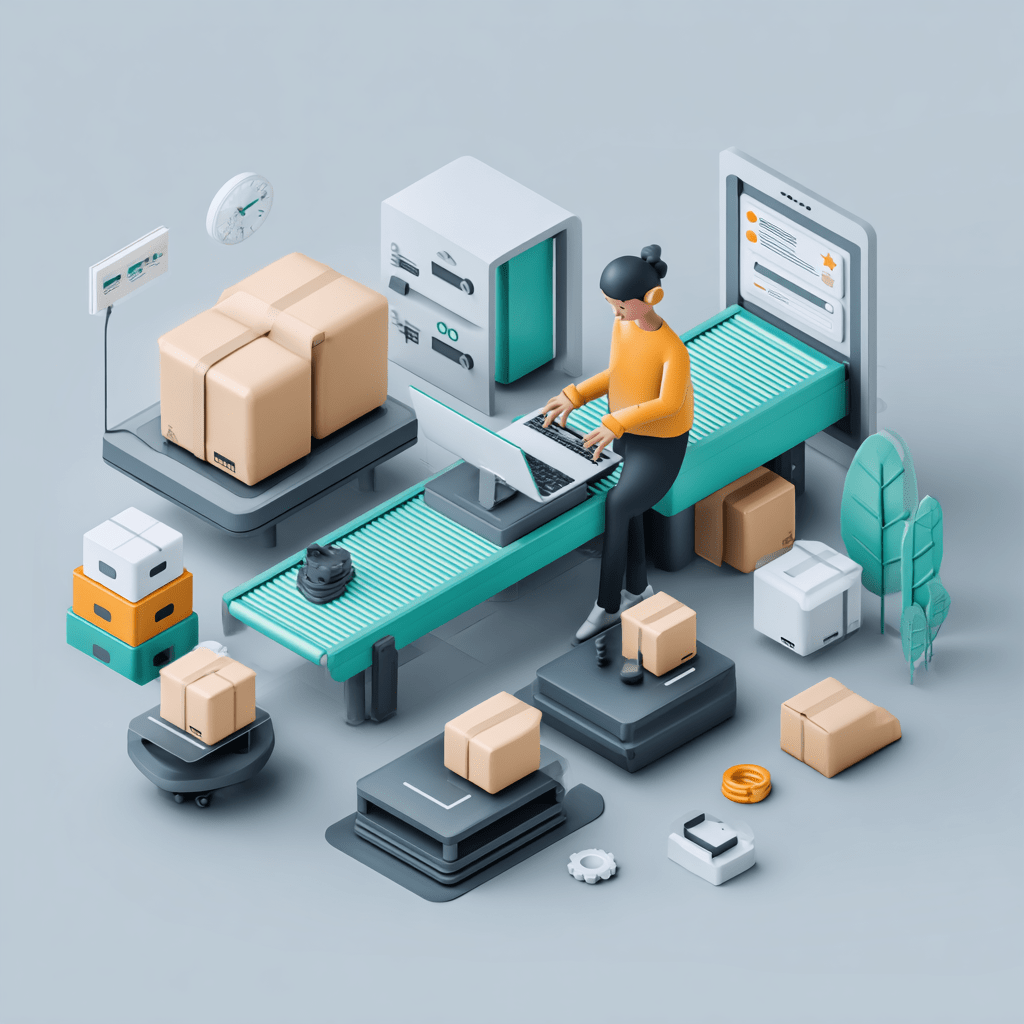
Understanding E-commerce Automation
Imagine taking the hassle out of your daily e-commerce chores: updating inventory, processing orders, sending customer updates—automatically! That’s what e-commerce automation is all about. With simple tools, you can hand off repetitive tasks like managing stock, processing orders, running email campaigns, and even answering basic customer questions. This doesn’t just tidy up your to-do list; it also helps you avoid mistakes, keeps things running smoothly, and ensures that your information is always up-to-the-minute accurate.
Here’s the beauty of automation in e-commerce: it lets you take on more orders and pivot quickly as your market changes. Since automated tasks are predictable and consistent, your team can spend less time double-checking work and more time growing the business. Ultimately, automation empowers online stores to boost efficiency and profits while making customers happier.
Further reading: Pitney Bowes, Zoho Commerce, Flycart Blog
Automating Order Processing
Ever wish processing orders was as easy as flipping a switch? With automation, it nearly is. When a customer hits “buy now,” the system runs inventory checks, confirms there’s enough in stock, and processes the payment—no manual double-checks needed. It can even generate shipping labels, choose the best delivery method, and keep everyone updated at every step.
What’s in it for your business? Fewer mistakes, faster deliveries, and less time worrying about orders falling through the cracks. Best of all, your customers get quick, accurate service, which keeps them coming back for more.
Further reading: NetSuite, Intuz, CS-Cart Blog
Simplifying Inventory and Fulfillment
If you’re selling on multiple platforms, keeping track of stock can feel like a game of whack-a-mole. Automation software solves this by syncing inventory across every channel, so you always know what’s in stock—and so do your customers. When an order comes in, the system updates stock counts everywhere at once, reducing oversells and avoiding unpleasant “out of stock” surprises.
Automation also takes over in the warehouse. Picking, packing, label printing—even letting customers know their order is on the way—all happen with little human intervention. This means your team spends less time on repetitive tasks and your customers get their orders faster, with fewer errors.
Further reading: Icecat Blog, Warego Blog
Enhancing Customer Communication and Support
Automation isn’t just about getting orders out the door—it’s also about keeping your customers in the loop. Automatic emails can confirm orders, share shipment updates, and let buyers know exactly when their purchase will arrive. This kind of proactive communication builds trust and reduces “Where’s my order?” support tickets.
But what about support? Chatbots and automated helpdesks can answer common questions around the clock, giving customers instant answers about returns, payments, or delivery times. This frees up your live support team for trickier issues and keeps everyone happier—customers and staff alike.
Further reading: Flycart Blog, AITRILLION Blog
Driving Customer Retention with Automation
Winning new customers is tough, but keeping them is where businesses really grow. Here, automation shines. For example, you can automatically send personalized emails after a purchase, suggest new products, or even ask for a quick review. Cart abandonment reminders gently nudge would-be customers back to complete their orders.
Loyalty programs can be almost hands-free—track points, send rewards, and remind customers about their perks automatically. Not to mention reaching out to shoppers who haven’t visited in a while with personalized deals. Automated chatbots can respond quickly to issues, turning potential complaints into loyalty-building moments.
Further reading: Jimdo Blog, AITRILLION Blog
Choosing the Right E-commerce Automation Tools
Picking the best automation tools isn’t one-size-fits-all. Small shops may look for easy, budget-friendly options that handle the basics: order processing, inventory, emails, and customer support. Ease of use is key at this stage.
Growing or larger businesses, on the other hand, need robust solutions that can handle more traffic, sync with other systems (like ERPs or CRMs), and grow alongside them. Look for platforms that offer advanced automation, in-depth analytics, and excellent vendor support. Security, integration capabilities, and regular updates will ensure your investment stays valuable as the business evolves.
Further reading: Warego Blog, CS-Cart Blog
Conclusion: The Future of Automated E-commerce
The bottom line? E-commerce automation isn’t just a “nice-to-have”—it’s a must. It shifts your focus from fire-fighting repetitive tasks to building bigger, better strategies for growth. Automation means fewer errors, more agility, and a better experience for your customers at every turn.
Looking ahead, automation will only get smarter and more powerful. Embrace these tools now, and you’ll future-proof your store, stay ahead of your competition, and give your team the freedom to focus on what really matters—serving your customers and scaling your business.
Further reading: Pitney Bowes