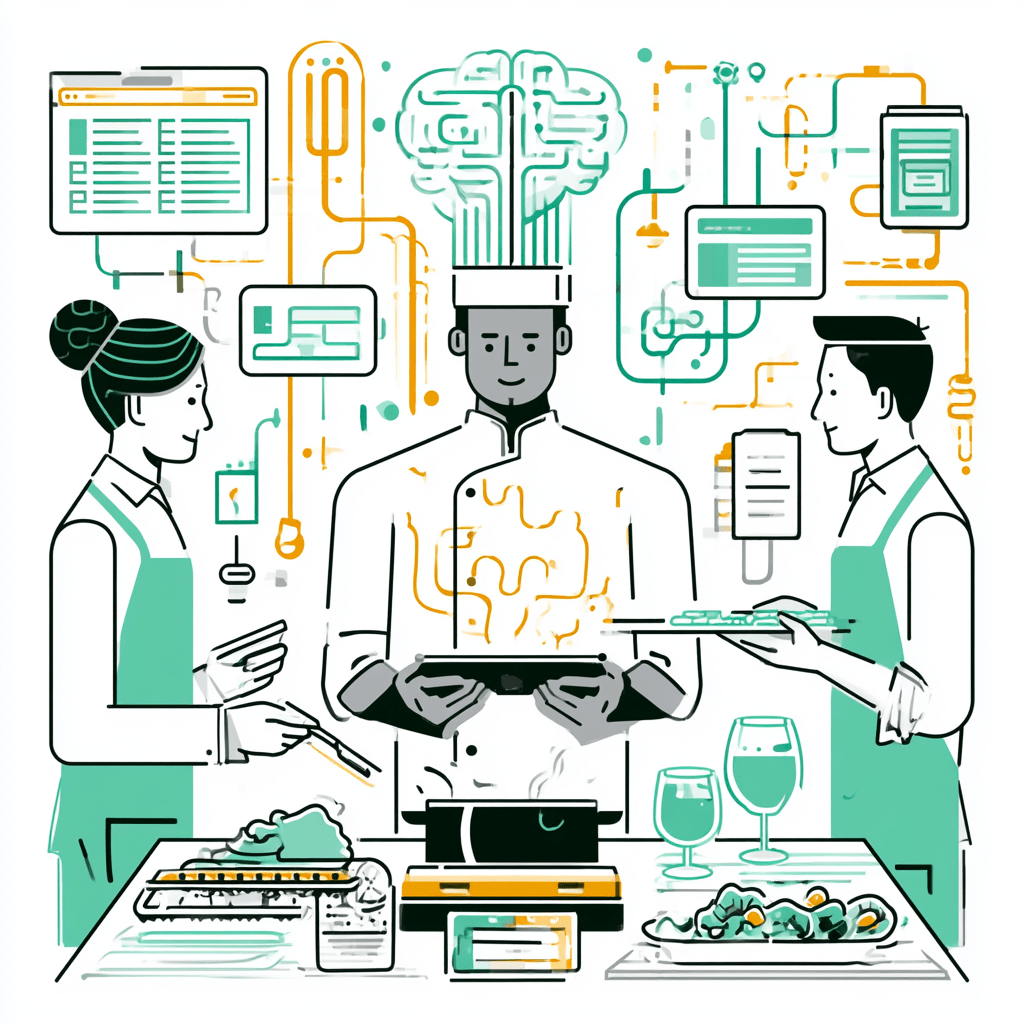
Introduction: The Rise of AI in Restaurants
Artificial intelligence (AI) is shaking up how restaurants run, making things smoother for both staff and customers. No longer reserved for Silicon Valley giants, AI is helping restaurants everywhere automate tasks, cut back on unnecessary costs, and operate more efficiently. From using data to predict how many avocados you’ll need next week to letting chatbots handle reservation requests during your busiest hours, the impact is felt both “behind the scenes” and in the dining room.
What’s particularly exciting? It’s not just about saving time and money. AI also makes it easier for restaurants to understand their guests, offer personalized suggestions, and build experiences that keep people coming back. Every interaction, from menu recommendations to how a guest’s feedback is handled, can be fine-tuned using real insights. As a business owner, harnessing these tools means you’re not just keeping up—you’re getting ahead.
References:
Nextiva: AI for Restaurants
Eat App: AI in Restaurants
AI-Powered Reservation Systems
If you’ve ever double-booked a table or had a no-show throw off your floor plan, AI can help. Reservation systems with built-in machine learning do more than just schedule tables—they send automatic confirmations and reminders to guests, update your availability in real-time, and keep your booking system running with fewer hiccups caused by human error.
The real magic comes when AI digs into past booking patterns and considers things like local events or weather. It can forecast when you’ll be slammed and when you might need to push promotions. Plus, returning guests get a more personalized welcome, whether it’s a preferred table or a special offer. The upshot? Happier guests, fewer mistakes, and a restaurant that runs like clockwork.
References:
SevenRooms: Restaurant AI
Hostie: Leveraging AI in Reservations
Managing Online Reviews and Customer Feedback with AI
Online reviews can feel overwhelming—but ignoring them isn’t an option. AI steps in as your digital assistant, monitoring countless platforms like Yelp, Google Reviews, and more. It gathers, sorts, and highlights feedback, so you’re never blindsided by complaints or miss out on positive trends (think: “wow, people really love our new burger!”).
Natural language processing helps AI spot recurring themes or urgent issues quickly—say, a spike in comments about slow service or food temperature. Some platforms even draft personalized responses for your review section, helping you engage promptly with both fans and critics. Turning reviews into actionable insights not only protects your reputation but guides your team towards meaningful improvements, one customer at a time.
References:
Yelp Business: AI in Restaurants
Kobas: AI & Guest Experiences
Optimizing Inventory and Supply Chain Management Using AI
Managing inventory can be a tough balancing act. Too much, and you’re wasting food and money; too little, and you disappoint customers. AI takes the guesswork out by constantly monitoring your stock levels, expiration dates, and upcoming demand.
Imagine having a tool that knows you’ll need an extra box of tomatoes next Saturday because there’s a big festival nearby—or that predicts you should scale back on a perishable item after a heatwave. AI-driven forecasting keeps your ingredients fresh, your kitchen efficient, and your spending in check. The bonus? Less waste and more time for your team to focus on guests rather than counting cans in the back room.
References:
Nory: Revolutionise Your Restaurant
LowCode: AI for Restaurants
AI Integration: Best Practices and Real-World Examples
Integrating AI doesn’t have to be overwhelming. Start by identifying the problems you want to solve—whether it’s controlling costs, impressing your customers, or managing your supply chain more effectively. Then, look for AI solutions that fit your unique needs. For example, some platforms excel at predicting busy periods, while others are rockstars when it comes to menu personalization or staff scheduling.
Real-world success stories are everywhere: restaurants slashing waste with AI-powered inventory systems, or boosting return visits with AI-driven recommendations. The secret? Take your time to train staff, review progress regularly, and choose tools that work well with your current systems. AI isn’t one-size-fits-all, but with a thoughtful approach, it can deliver big business results.
References:
Fourth: AI in Restaurants
NewsBytes: AI Tools for Restaurant Management
Conclusion: The Future of AI in Restaurant Operations
AI is here to stay in the restaurant world, and the benefits only stand to grow as technology advances. From automating reservations to forecasting inventory or enhancing guest experiences with tailored marketing, smart tools help you run more efficiently and profitably.
The future is bright: Expect even smarter, more integrated systems, more personalized guest touchpoints, and better, faster insights into your business. For restaurant operators ready to embrace change, AI is both the present and the future of competitive, delightful, and sustainable dining.
References:
Eat App: AI in Restaurants